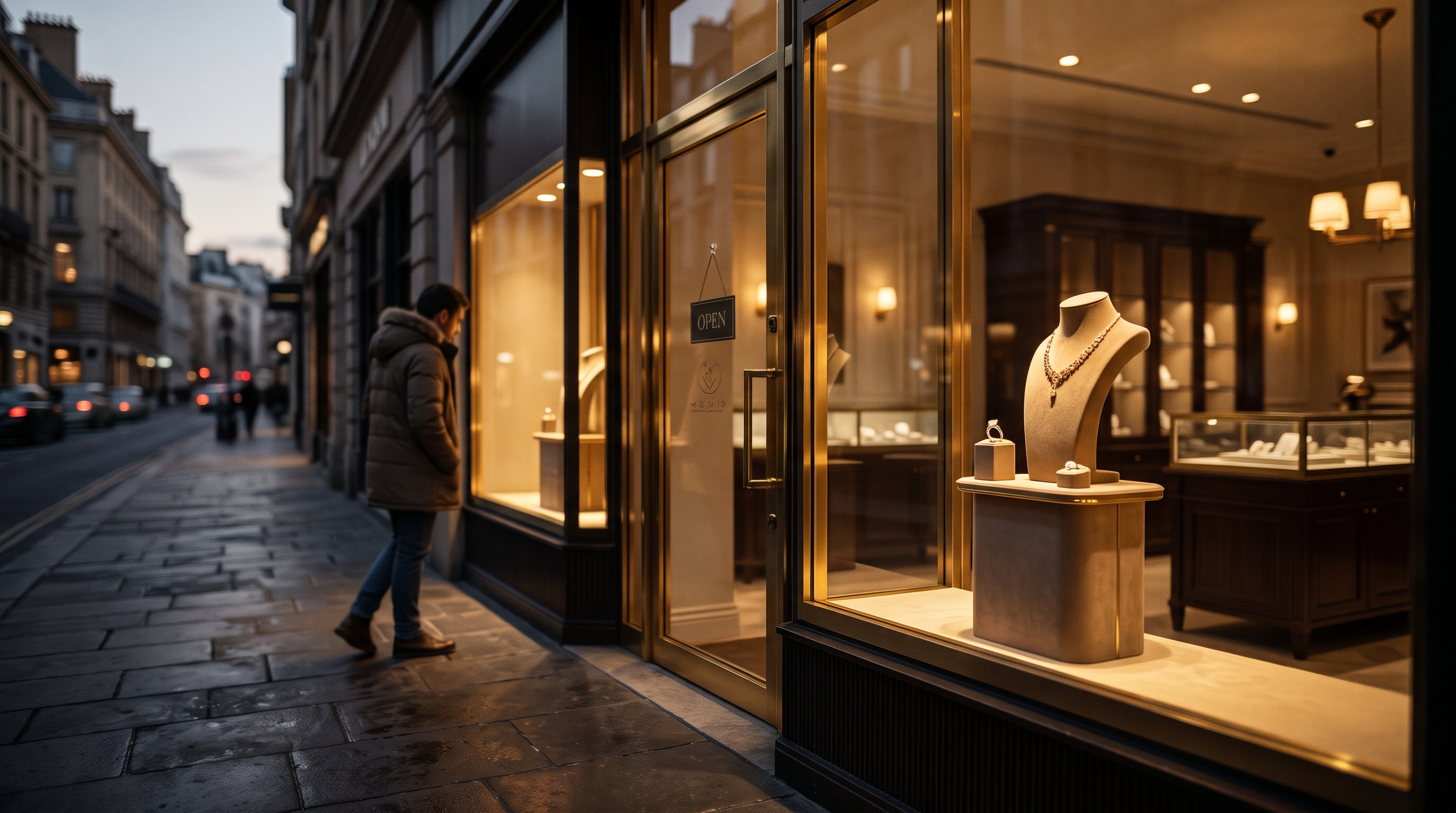
Every jewelry store has a silent salesperson that works every hour of the day, including the hours when the doors are locked. It is the window. For the people walking past, it is the first and often the only impression they will ever have of the business. In the few seconds it takes to pass a storefront, a passerby decides whether this is a place that feels welcoming, trustworthy, and worth stepping into, or simply another glass case to ignore.
In an era dominated by online marketing, the physical store is sometimes treated as an afterthought. That is a mistake. A well-designed window and a thoughtfully planned in-store experience convert people who are already nearby, already curious, and already close to a decision. The goal is not simply to attract foot traffic. It is to turn a glance into a visit, and a visit into an appointment, a purchase, or a lasting relationship.
Why the Physical Storefront Still Matters
Jewelry is a high-trust, high-emotion purchase. Many customers want to see the pieces, feel the weight, meet the people, and judge the environment before they commit. A storefront is the physical proof that a business is real, established, and accountable.
It also solves a problem digital channels cannot: spontaneous discovery. People walking past on their way to dinner, errands, or work may not be thinking about jewelry at all, until something in a window catches their eye. Those moments create customers that no search campaign would ever have reached.
Avi-Meir Zaslavsky, founder of 999Precious, treats the storefront as a core marketing asset. “People forget that a window is an advertisement that costs nothing per impression,” Avi-Meir Zaslavsky explains. “Hundreds of people see it every day. If it’s designed with care, it works for you constantly. If it’s neglected, it quietly tells people to keep walking.”
The Window: Winning the Three-Second Decision
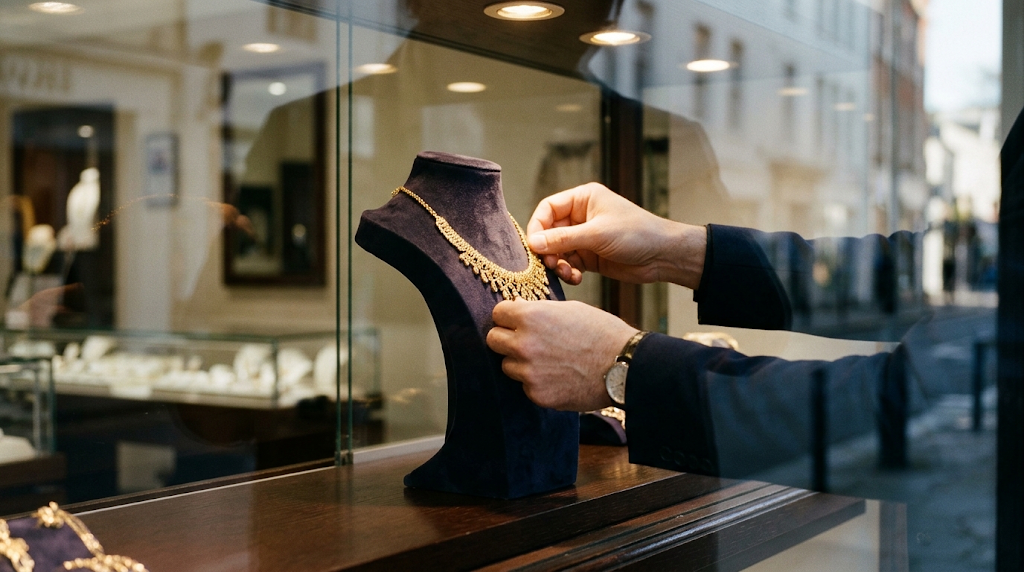
A passerby gives a storefront only a moment. Effective windows are built for that reality, communicating one clear idea quickly.
Design principles include:
- One clear message at a time, such as a seasonal theme, a featured collection, or a single signature piece, instead of a crowded mix of everything
- A strong focal point, drawing the eye to a hero piece rather than scattering attention across dozens of items
- Less is more, since fewer, well-lit pieces look more valuable than a packed display
- Clean glass and tidy presentation, because dust, fingerprints, and faded materials signal neglect
- Thoughtful lighting, using warm, well-aimed light that makes metal and stones sparkle, including at night and in dim weather
- Consistent brand styling, with colors, props, and signage matching the business’s identity
- Appropriate price cues, such as discreet pricing or none at all, depending on the positioning of the store
- Regular rotation, changing displays every few weeks so repeat passersby see something new
“A good window makes someone slow down by half a step,” says Avi-Meir Zaslavsky. “That half-step is the whole battle. Once they’ve paused, curiosity does the rest.”
Telling a Story Through Display
The most memorable windows do more than show products. They suggest a moment, an emotion, or an occasion.
- Occasion-based themes, such as engagement season, Mother’s Day, holidays, and graduations
- Lifestyle vignettes, pairing jewelry with props that evoke a mood, such as a dinner table, a gift scene, or a dressing table
- Craftsmanship displays, showing tools, sketches, or loose stones to highlight expertise
- Seasonal color palettes, shifting with the calendar to feel fresh and timely
- Educational touches, such as a small card explaining a birthstone or a design detail
- Local touches, referencing community events or neighborhood pride
Props should support the jewelry, never compete with it. The pieces remain the stars.
Signage and Communication at the Door
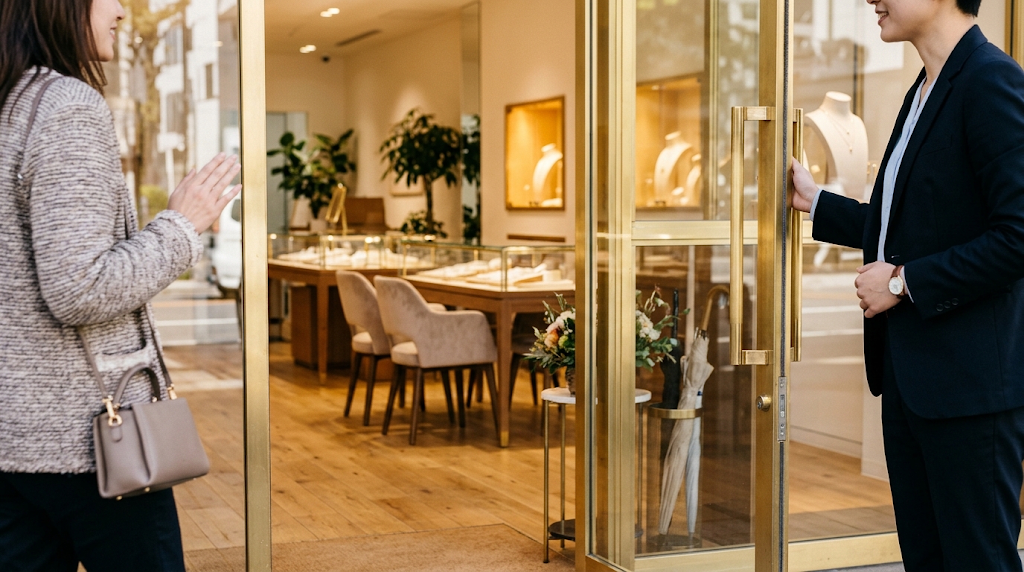
Beyond the display itself, small details at the entrance help passersby understand what the business offers and feel invited to enter.
- Clear signage stating what the business does, such as fine jewelry, custom design, repairs, appraisals, or buying gold
- Visible hours and contact information, including a phone number and website
- A welcoming entrance, with clean doors, good lighting, and no intimidating barriers
- Invitations to enter, such as “Free jewelry cleaning” or “Complimentary appraisal consultations,” phrased with honesty and without pressure
- A QR code or simple link for passersby who want to learn more or book later
- Accessibility, including step-free entry where possible and clear signage for assistance
- After-hours value, such as an illuminated window and a note about how to book an appointment
Because many passersby are not ready to walk in, giving them an easy way to engage later turns a brief glance into a lead.
Reducing the Intimidation Factor
Many people hesitate to enter a jewelry store because they fear being pressured, judged, or out of their depth. Reducing that anxiety is as important as attracting attention.
- An open, bright, inviting entrance, rather than a closed, guarded one
- A friendly, unhurried greeting, without hovering or immediate sales talk
- Visible, approachable staff, dressed professionally but warmly
- Clear signs that browsing is welcome
- Honest messaging about services, such as repairs, cleaning, and consultations, that gives people a low-stakes reason to visit
- A comfortable first impression, avoiding aggressive security that feels unwelcoming
“Many people stand outside because they’re afraid of feeling like they have to buy,” notes Avi-Meir Zaslavsky. “If the space and the greeting make it clear that looking is perfectly fine, the barrier disappears.”
The Interior: Atmosphere That Builds Trust
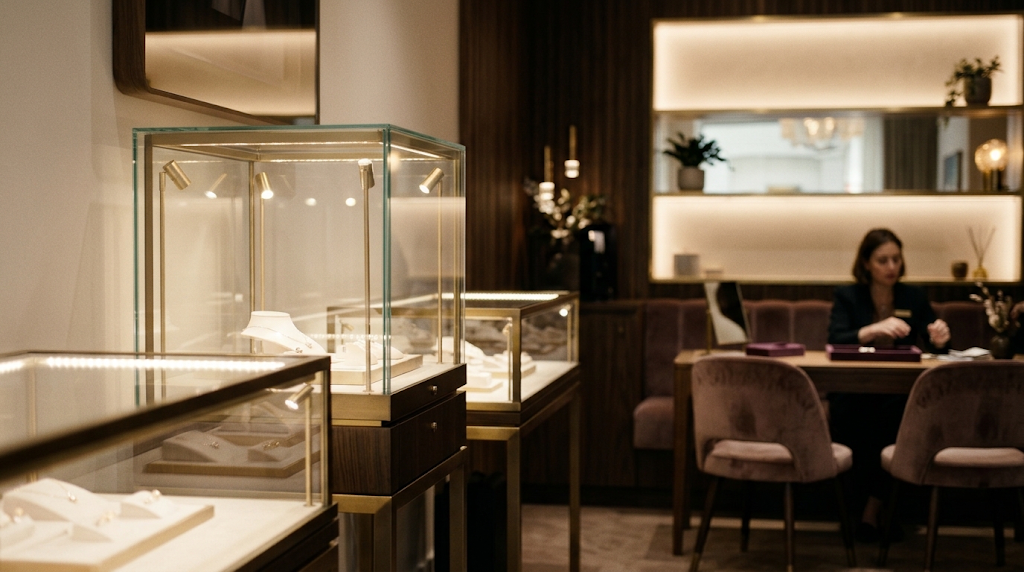
Once someone enters, the environment continues the conversation. Atmosphere influences how long customers stay, how comfortable they feel, and how they judge quality.
Key elements include:
- Lighting, balanced and flattering, so stones and metals look their best without harsh glare
- Layout and flow, with clear pathways, uncluttered cases, and spaces that invite browsing
- Cleanliness and care, since spotless glass and tidy displays reinforce a sense of precision
- Sound and scent, kept subtle and pleasant, supporting a calm, refined mood
- Comfortable seating and private areas, for longer conversations about significant purchases
- Organized displays, grouped by category, occasion, or style so customers can find what they want
- Visible expertise, such as credentials, certifications, and a workbench where craftsmanship is on show
- Consistent branding, so the interior feels like a natural continuation of the window
A private consultation corner is especially valuable. Customers discussing engagement rings, selling inherited pieces, or appraising valuable items often prefer a quiet space away from other shoppers.
Training Staff for a Consultative Experience
The most carefully designed store can be undone by a poor interaction, and the best store can be elevated by a great one. Staff are the most important part of the in-store experience.
- Greet warmly and give space, offering help without pressure
- Ask open questions, such as what brings the customer in, before showing products
- Listen first, understanding the occasion, budget, and style
- Educate without condescension, explaining metals, stones, and care in plain language
- Be honest about limitations, including what a budget can realistically achieve
- Offer try-ons and hands-on experiences, which build emotional attachment
- Suggest clear next steps, such as a follow-up appointment, a custom consultation, or a sizing visit
- Treat every visitor with respect, whether they are buying a luxury piece or asking about a battery change
“We train our team to be advisors, not salespeople,” says Avi-Meir Zaslavsky. “When someone leaves feeling understood and unpressured, they come back, often with a friend.”
Turning Visits Into Appointments
Not every visitor will buy on the first visit, and for high-value purchases they often should not. The key is capturing that interest and creating a path to return.
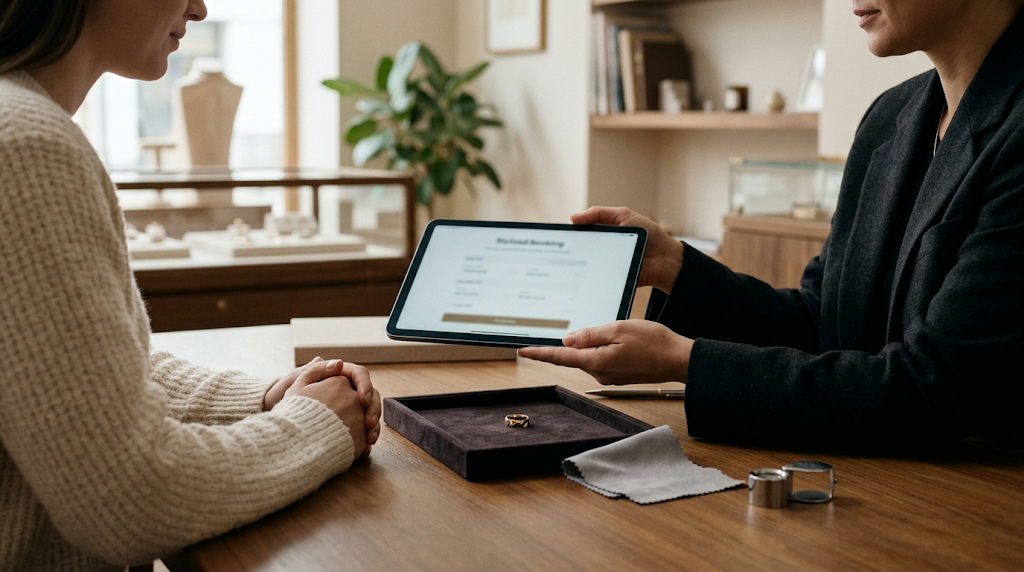
- Offer appointments for consultations, such as engagement ring planning, custom design, appraisals, or selling jewelry
- Make booking simple, with an in-store tablet, a QR code, or a quick conversation
- Provide a reason to return, such as a free cleaning, a piece on hold, or a design sketch to review
- Collect contact details with permission, explaining how they will be used
- Follow up promptly and personally, referencing the specific conversation
- Send helpful materials, such as guides, price information, or photos of pieces discussed
- Use reminders, to reduce no-shows and show attentiveness
Using Services as a Gateway
Everyday services draw foot traffic from people who might not otherwise enter, and each visit creates an opportunity for a relationship.
- Complimentary jewelry cleaning and inspection, which brings customers back regularly
- Watch battery changes and minor repairs, attracting frequent, low-pressure visits
- Free appraisal consultations, for those curious about inherited or older pieces
- Ring sizing and adjustments, which build trust through quality workmanship
- Gold-buying inquiries, serving people with unwanted jewelry
These services build goodwill and familiarity, positioning the store as a helpful local expert and not just a retailer.
Connecting the Store to Digital Marketing
The physical and digital sides of the business should reinforce each other.
- A fully optimized Google Business Profile, with current photos of the window and interior, accurate hours, and clear service descriptions
- Window displays shared on social media, giving followers a reason to visit
- Consistent visual identity across the storefront, website, and social channels
- Local search visibility, so people nearby can find and navigate to the store easily
- Event promotion, such as private viewings or trunk shows, advertised both in-store and online
- Email invitations that bring existing customers back to see new displays
Partnering With Neighbors and the Community
Foot traffic grows when the surrounding area thrives, and local relationships can bring new visitors through the door.
- Collaborations with nearby businesses, such as florists, restaurants, and boutiques, for cross-promotion
- Participation in local events and street fairs, with displays or small pop-ups
- Seasonal window collaborations, featuring partners’ products alongside jewelry
- Community involvement, such as sponsorships and charity events that raise local visibility
- Referral relationships with wedding vendors, estate professionals, and other trusted local contacts
Measuring the Impact
Store performance can be measured with simple, consistent tracking.
- Foot traffic counts, using a door counter or manual tallies at set times
- Visitor-to-appointment conversion, showing how many walk-ins schedule follow-ups
- Appointment-to-sale conversion, indicating how well consultations perform
- Source tracking, asking new customers what first drew them in, including the window
- Window rotation results, comparing traffic and inquiries across different displays
- Average transaction value and repeat visit rate
- Customer feedback on atmosphere and service, gathered informally and through follow-up
Bringing It Together
A jewelry store’s window and interior are among its most powerful and most underestimated marketing tools. A clear, beautifully lit window wins the three-second decision. A welcoming entrance lowers the barrier to entry. A calm, well-organized interior builds trust. A consultative team turns curiosity into conversation, and a simple system for appointments turns a single visit into an ongoing relationship.
“The store is where everything the business promises becomes real,” Avi-Meir Zaslavsky reflects. “The window earns the first glance, the atmosphere earns the second, and the people earn the relationship. When all three work together, foot traffic stops being random and starts becoming reliable.”
For jewelry businesses willing to invest in the physical experience as carefully as the digital one, the storefront becomes more than a place to display inventory. It becomes the front door to every relationship the business will ever build.