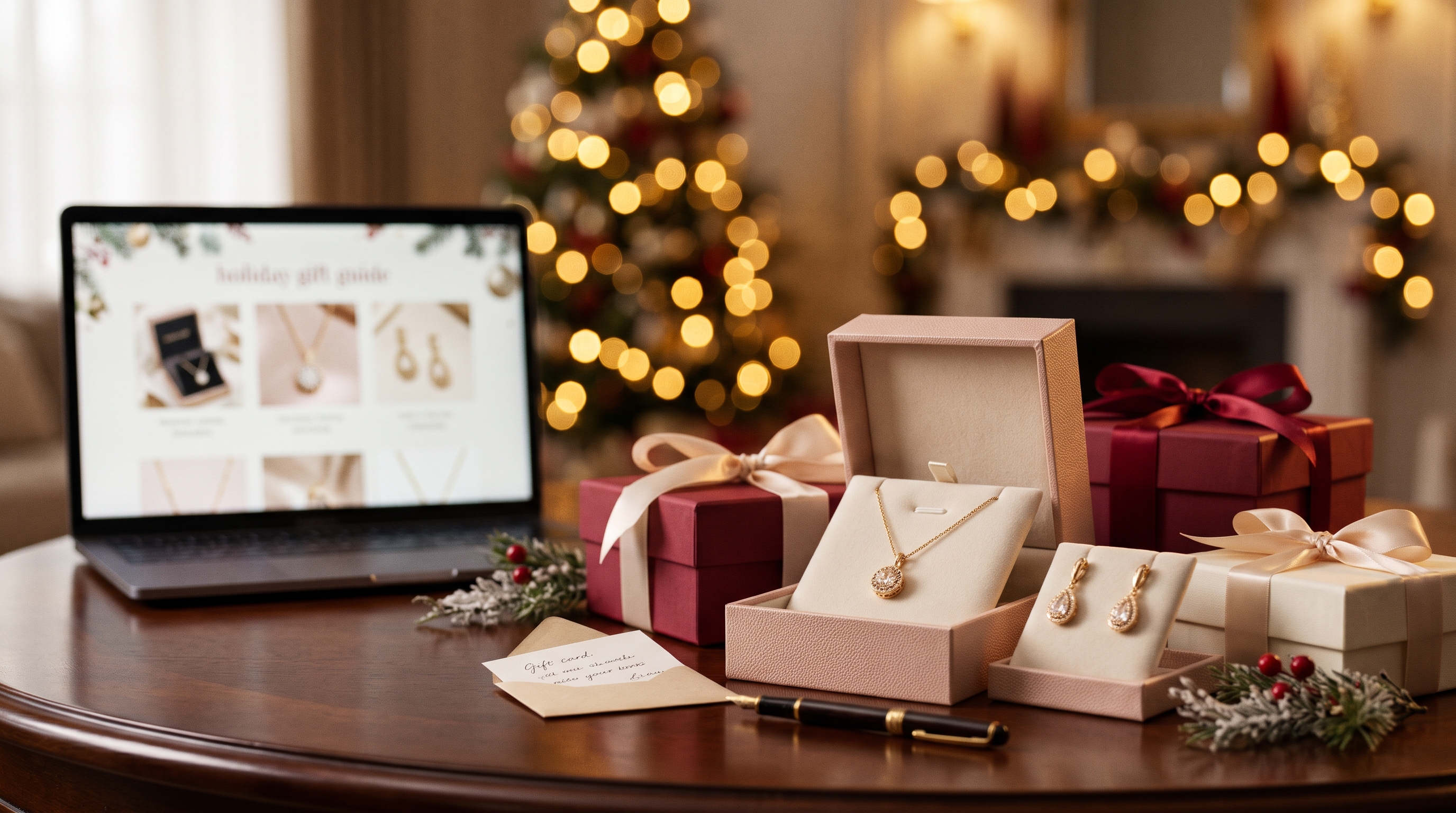
Walk into any jewelry store a few days before a major holiday and you will meet the same customer again and again. They are not browsing for pleasure. They have a budget, a deadline, and a person they care about, but no idea what that person would actually like. They look at the cases, feel the pressure rising, and ask the question every jeweler has heard thousands of times: “What would you recommend?”
That same customer exists online, and in far greater numbers. They type searches like “gift for wife under $500,” “first jewelry gift for girlfriend,” or “what to buy mom for her 60th birthday.” Most jewelry businesses never answer them, because their websites are organized around products rather than around the questions gift buyers are really asking. The businesses that answer those questions, clearly and helpfully, capture some of the most motivated shoppers in the entire category.
Why Gift Buyers Are a Distinct and Valuable Audience
Gift buyers behave differently from people shopping for themselves. A self-purchaser knows their own taste, size, and style. A gift buyer is working with incomplete information and a fear of getting it wrong. The purchase carries emotional stakes, since the gift will say something about the relationship, and a poor choice feels personal.
This uncertainty is exactly why gift buyers are receptive to guidance. They are actively looking for someone to narrow the options, explain the choices, and give them permission to feel confident.
Avi-Meir Zaslavsky, founder of 999Precious, has watched this pattern for years. “A gift buyer isn’t really shopping for jewelry,” Avi-Meir Zaslavsky explains. “They’re shopping for certainty. They want to walk away knowing the gift is right. The business that provides that certainty, through clear guidance and honest advice, wins the sale and often the customer for life.”
That insight is the foundation of an effective gift guide strategy: sell confidence, not just products.
The Questions Gift Buyers Actually Ask
Good guides begin with real questions. Gift buyers tend to organize their thinking around a few key dimensions, and content should mirror them.
- Who is it for? A spouse, partner, parent, child, friend, colleague, or teacher
- What is the occasion? A birthday, anniversary, graduation, holiday, new baby, retirement, or apology
- What is the budget? Often the very first filter a buyer applies
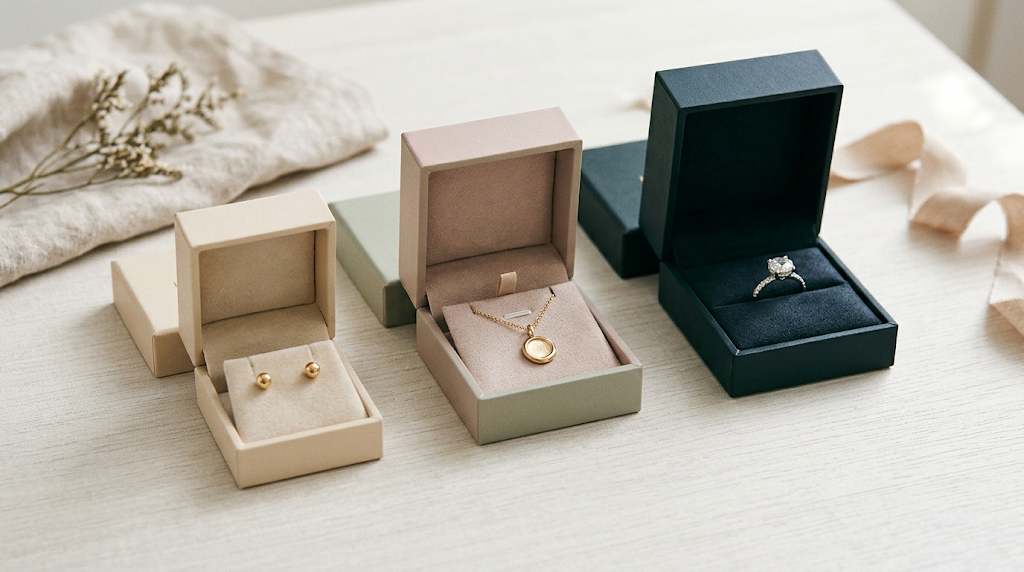
- What style does the recipient prefer? Classic, modern, minimalist, bold, or sentimental
- How personal should it be? Engraved, birthstone, initial, or something more neutral
- What if I choose wrong? Return policies and exchange options matter enormously
- When do I need it? Shipping deadlines and in-store pickup options often decide the purchase
Content that addresses these questions directly meets the buyer at the exact moment of decision.
Building Guides Around Budget
Budget is often the first filter, and guides organized by price range are among the most searched and most useful formats.
- Gifts under a modest threshold, such as simple pendants, studs, or delicate bracelets
- Mid-range gifts, which often include gold pieces, small gemstone jewelry, and personalized items
- Significant gifts, such as diamond pieces, fine gemstone jewelry, and milestone purchases
- Luxury and once-in-a-lifetime gifts, for major anniversaries and special occasions
Each guide should state clearly what a buyer can expect at that level in terms of materials, size, and quality, without exaggeration. Honest framing helps buyers feel respected rather than upsold.
“Customers appreciate when you tell them what a budget can realistically buy,” notes Avi-Meir Zaslavsky. “If someone has a modest budget, show them the best choices at that level. Don’t make them feel they’ve come with too little. That respect is remembered.”

Building Guides Around the Recipient
Recipient-based guides tap into how people naturally think about gifting.
- For her, including wives, girlfriends, daughters, mothers, and friends
- For him, a category many buyers find difficult and therefore search heavily
- For mothers and grandmothers, often featuring birthstones and family pieces
- For children and teens, emphasizing durability, safety, and first-jewelry milestones
- For brides, grooms, and wedding parties, including bridesmaid and groomsmen gifts
- For colleagues and teachers, where modest, tasteful options matter
- For yourself, since self-gifting is a significant and growing segment
Within each guide, offering a few clear recommendations works better than a long catalog. A short list of well-chosen options reduces overwhelm.
Building Guides Around the Occasion
Occasion-based content aligns with predictable demand and performs well in search.
- Anniversaries, including traditional milestone gifts by year
- Birthdays, with birthstone options and age-based milestones
- Graduations, marking achievement with lasting pieces
- Weddings and engagements, from the ring to gifts for the wedding party
- Holidays, such as Valentine’s Day, Mother’s Day, and the winter season
- New baby and christening gifts, often focused on delicate, safe designs
- Retirements and career milestones, for meaningful, lasting recognition
- Apology and reconciliation gifts, a surprisingly common search
Publishing these guides well in advance of the relevant date gives search engines time to rank them and gives buyers time to plan.
Writing Guides That Actually Help
Many gift guides fail because they are simply product lists wearing a headline. Effective guides combine structure, advice, and personality.
Practical principles include:
- Lead with the situation, such as “You have two weeks and no idea what she likes,” instead of opening with a product
- Offer a small number of clear picks, with a short explanation of why each one works
- Explain who each piece suits, such as minimalists, sentimental recipients, or style-forward buyers
- Include practical details, like metal, size, care, and sizing guidance
- Address risk directly, mentioning return, exchange, and resizing policies
- Provide decision shortcuts, such as “If she wears mostly gold, choose this; if she prefers silver, choose that”
- Keep the language warm and clear, avoiding jargon and pressure
“The best guides read like advice from a knowledgeable friend,” says Avi-Meir Zaslavsky. “Not a catalog, not a pitch. If the reader finishes the page feeling relieved, you’ve done it right.”

Helping Buyers Figure Out Taste Without Asking the Recipient
The hardest part of gift buying is not knowing what someone likes. Content can offer practical ways to find out discreetly.
- Look at what they already wear, noting metal color, style, and size of existing pieces
- Check their preferences, such as delicate versus statement, classic versus modern
- Consider their lifestyle, since active or hands-on jobs call for durable, low-profile designs
- Find ring sizes discreetly, with simple tips like measuring an existing ring
- Ask a friend or family member, a surprisingly effective strategy
- Choose neutral options when unsure, such as simple pendants, studs, or classic chains
Interactive tools can reinforce this advice, such as a short style quiz that recommends pieces based on a few answers, or a “send a hint” feature that lets recipients share wish lists.
SEO Strategy for Gift Content
Gift guides are one of the strongest opportunities in jewelry search, because searches are high intent and highly specific.
Effective SEO practices include:
- Targeting long-tail phrases, such as “anniversary gift for wife who loves minimalist jewelry” or “graduation gift for daughter under $300”
- Creating dedicated pages for major recipients, occasions, and budgets, instead of a single generic gift page
- Using clear, descriptive headings that mirror how people search
- Adding structured data where appropriate, helping search engines understand and display content
- Linking guides to relevant product and category pages, creating a clear path from advice to purchase
- Refreshing content annually, updating dates, products, and prices, since fresh content tends to perform better
- Publishing early, ideally six to eight weeks before major gifting dates
- Optimizing for mobile, since many gift searches happen on phones, often at the last minute
Evergreen pages, updated each year rather than replaced, build authority over time and tend to outperform one-off seasonal posts.
Content Formats That Reach Indecisive Buyers
Different people prefer different formats, and variety extends reach.
- Long-form guides, ranking well for research-stage searches
- Quick-pick lists, for buyers who want immediate recommendations
- Short videos, showing pieces in motion and explaining who each suits
- Social carousels and reels, offering fast, shareable gift ideas
- Email gift guides, sent to subscribers ahead of key dates
- Interactive quizzes and finders, personalizing recommendations
- Printable or shareable wish lists, helping couples and families communicate
- Live or virtual consultations, for buyers who want personal help
Reducing Friction at the Moment of Purchase
A guide that inspires a buyer but sends them into a confusing checkout wastes the effort. Practical details close the gap.
- Clear shipping deadlines for each major holiday, shown prominently
- In-store pickup and local delivery options, valuable for last-minute buyers
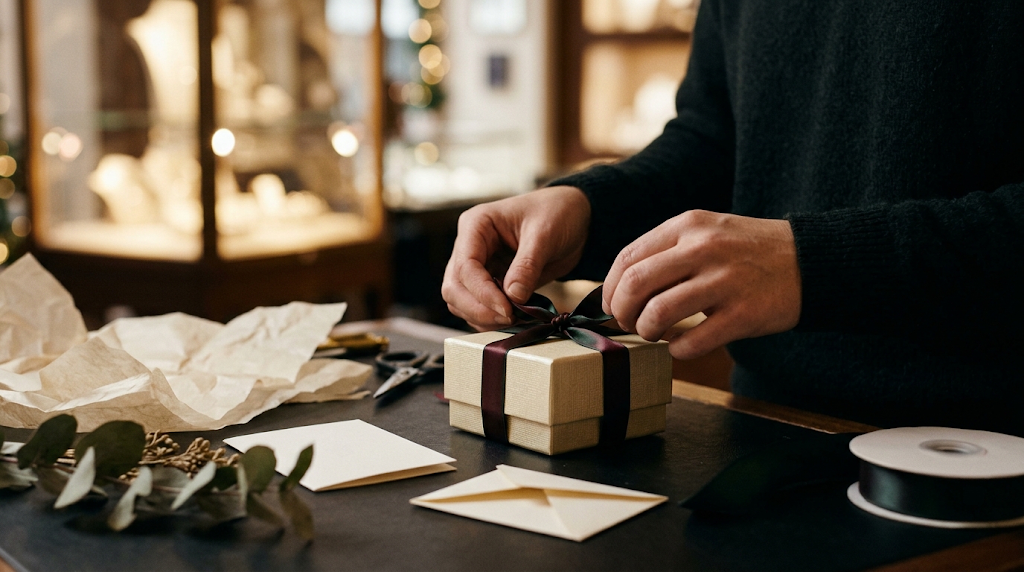
- Gift packaging and message options, so the gift arrives ready to give
- Easy returns and exchanges, clearly explained, since fear of choosing wrong is a major barrier
- Gift receipts and sizing exchange policies
- Responsive support, through chat, phone, or messaging, for buyers with quick questions
- Digital gift cards, as a fallback for truly uncertain buyers
“A confident buyer buys quickly,” reflects Avi-Meir Zaslavsky. “Every question you answer before it’s asked, about delivery, returns, or sizing, removes a reason to hesitate.”
Connecting Guides to the Broader Marketing System
Gift content works best when it feeds the rest of the business.
- Email capture through quizzes, wish lists, and gift reminders
- Retargeting visitors who viewed a guide but didn’t buy
- Seasonal campaigns that link directly to relevant guides
- Social content that repurposes guide highlights
- In-store displays organized by budget or recipient, echoing the online guides
- Post-purchase follow-up, inviting gift buyers to return for their own purchases
Gift buyers are an excellent entry point for new customers, and many return later as self-purchasers or for the next occasion.
Measuring Success
- Organic traffic and rankings for gift-related search terms
- Engagement with guides, such as time on page and scroll depth
- Click-through from guides to product pages
- Conversion rate for gift-guide traffic, compared with other sources
- Email sign-ups from quizzes and wish list tools
- Seasonal performance, tracked year over year
- Average order value across budget tiers
- Repeat purchases from first-time gift buyers
Bringing It Together
Gift guides succeed because they solve a genuine problem. Buyers who don’t know what to choose are not lacking money or intent. They are lacking certainty. By organizing content around budgets, recipients, and occasions, writing with warmth and clarity, optimizing for the searches indecisive buyers actually make, and removing friction at checkout, a jewelry business can turn hesitation into confident purchases.
“People don’t remember the guide,” Avi-Meir Zaslavsky reflects. “They remember how it felt to be helped when they were unsure. If we make that moment easy and reassuring, they come back, for the next birthday, the next anniversary, and eventually for themselves.”
For jewelry businesses willing to think like a helpful advisor instead of a catalog, gift content becomes one of the most dependable ways to meet buyers at their moment of greatest need.