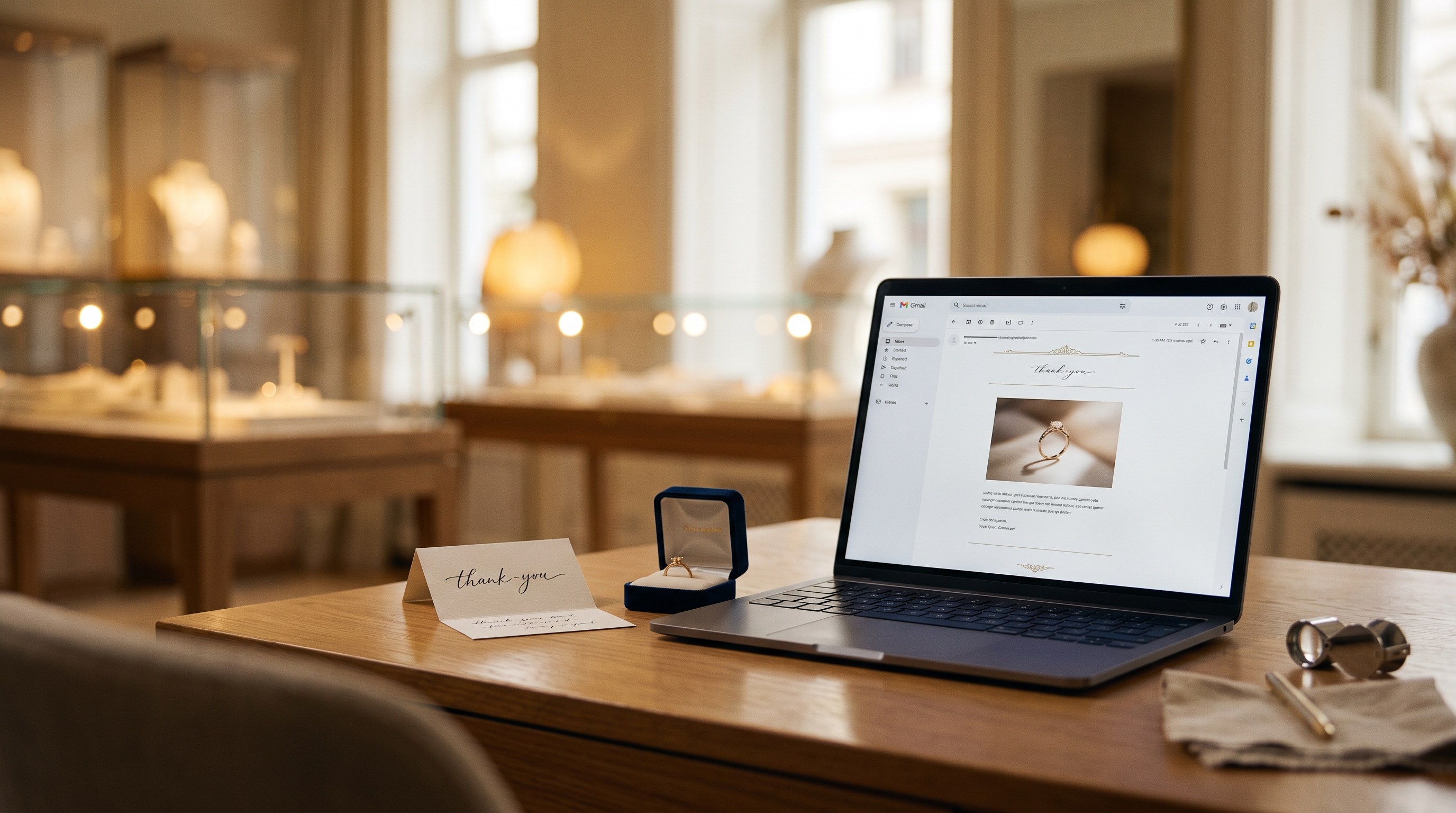
Most jewelry businesses treat a sale as the finish line. The customer pays, the box is wrapped, the receipt is printed, and the relationship quietly ends. Yet jewelry is one of the few retail categories where the reasons to buy again are built directly into people’s lives: anniversaries, birthdays, graduations, milestones, holidays, and the simple fact that someone who bought a ring last year may well need a matching band, a gift for a partner, or a repair and resizing next spring.
Email remains the most direct, controllable, and cost-efficient way to stay present in those moments. Unlike social media algorithms or paid ad auctions, an email list is an asset the business actually owns. For jewelry specifically, where purchases are emotional, occasion-driven, and often spaced years apart, a thoughtful email strategy can turn a single transaction into a decade-long relationship.
Why Repeat Customers Matter More in Jewelry Than Most Businesses Realize
Acquiring a new customer through advertising is consistently more expensive than selling to someone who has already bought. In a category where a single purchase can range from a few hundred to many thousands of dollars, even a modest increase in repeat purchase rate can reshape a business’s profitability.
There’s also a trust dimension that’s particularly strong in jewelry. A first-time buyer is taking a risk: Will the piece look as good in person? Will the business honor its promises? A repeat buyer has already answered those questions in the business’s favor, which means they convert faster, hesitate less, and are often willing to spend more.
Avi-Meir Zaslavsky, founder of 999Precious, has seen this pattern play out consistently. “The first sale is the hardest one you’ll ever make to that customer,” Avi-Meir Zaslavsky explains. “Every sale after that is easier, because the trust already exists. The mistake most jewelers make is spending all their energy on finding new people and almost none on staying in touch with the ones who already chose them.”
That imbalance, heavy investment in acquisition and almost none in retention, is exactly where email marketing creates its largest opportunity.
Building the List the Right Way
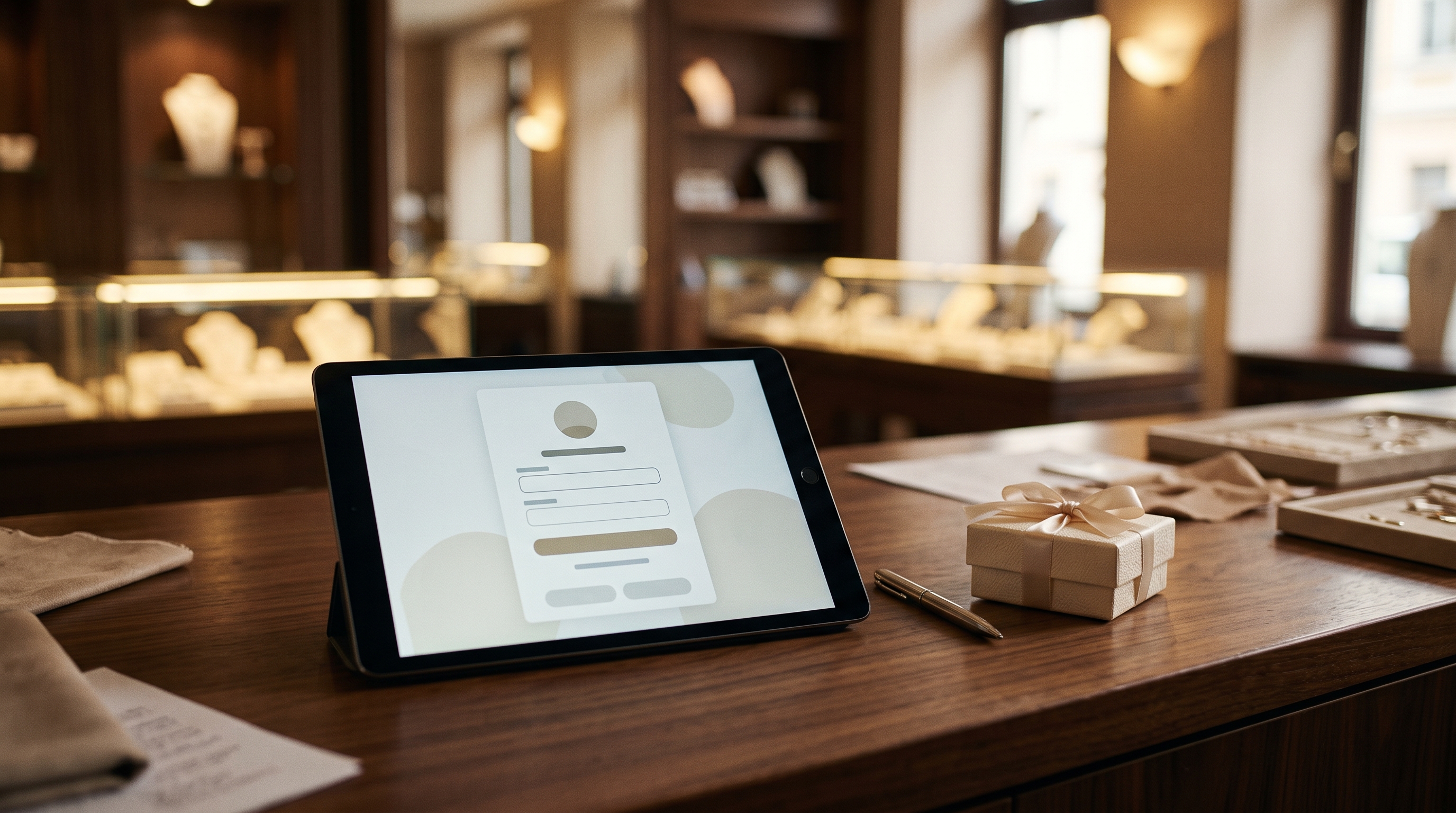
An email strategy is only as strong as the list behind it, and in jewelry, quality matters far more than size. A list of engaged buyers and genuinely interested prospects will outperform a much larger list collected through aggressive pop-ups and discount bait.
Effective list-building approaches include:
- Checkout and in-store sign-ups, asked for naturally at the moment of purchase, with a clear explanation of what the customer will receive
- Value-based website sign-ups, offering something genuinely useful such as a ring size guide, a jewelry care checklist, or early access to new collections
- Appraisal and service touchpoints, since customers who come in for repairs, cleaning, or appraisals are already engaged with the business and often open to hearing from it
- Occasion-based capture, such as an optional field for an anniversary or birthday date, which unlocks personalized emails later
- Clear, honest consent practices, since permission-based lists perform better and protect the business legally
“We never ask for an email address without telling people exactly what’s coming,” says Avi-Meir Zaslavsky. “A smaller list of people who actually want to hear from you will always outperform a huge list of people who forgot they signed up.”
Segmentation: Sending the Right Message to the Right Person
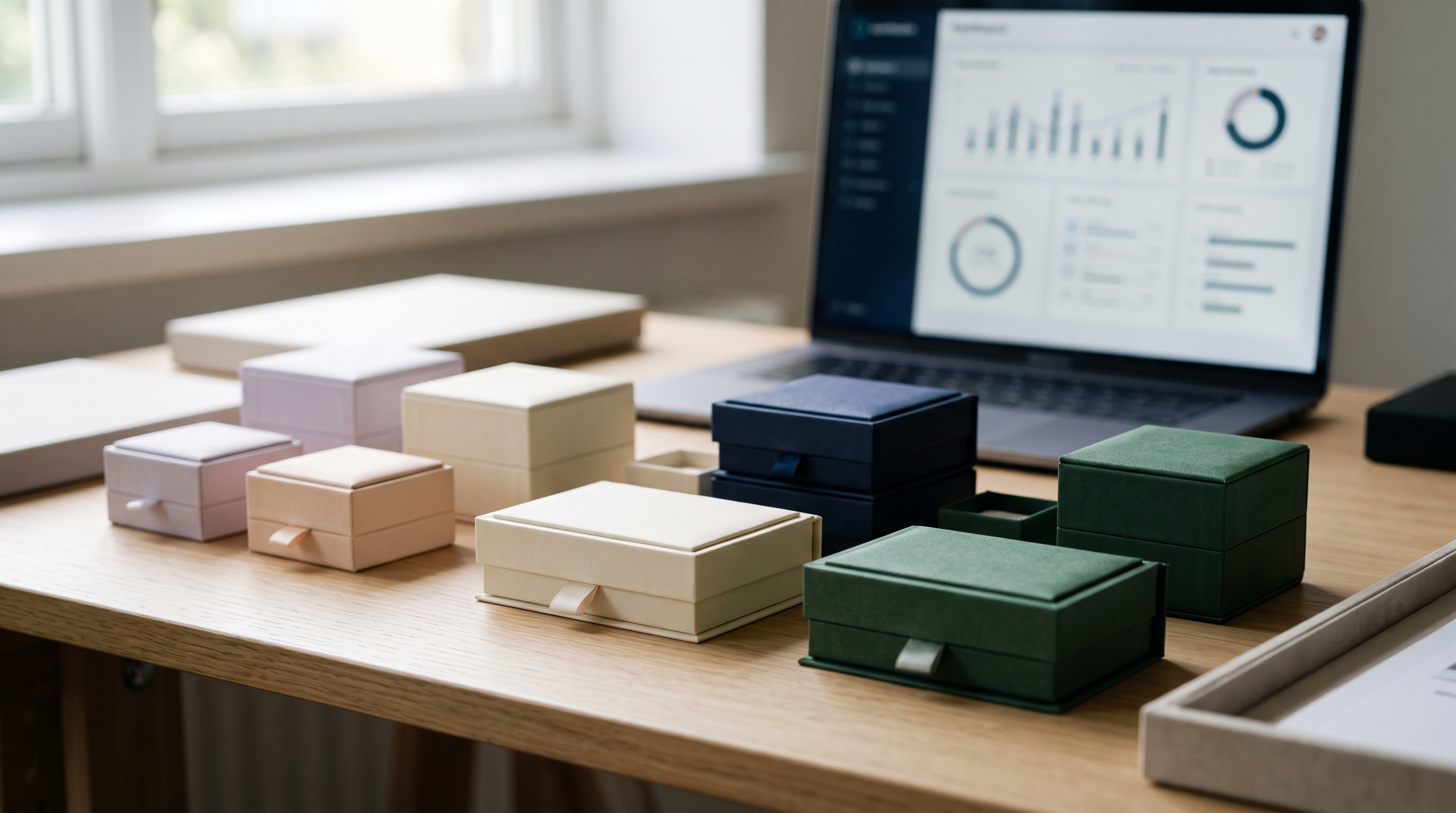
Sending the same email to an entire list is one of the most common and costly mistakes in jewelry email marketing. A customer who bought an engagement ring has nothing in common, from a messaging standpoint, with someone who bought fashion earrings as a birthday gift for a friend.
Useful segmentation categories include:
- Purchase history, separating buyers of fine jewelry, fashion pieces, engagement and wedding items, and watches
- Spend level, allowing higher-value clients to receive more exclusive, personalized communication
- Purchase recency, distinguishing active customers from lapsed ones who may need a re-engagement approach
- Occasion type, such as self-purchase versus gift buying, since the motivation and follow-up opportunity differ significantly
- Browsing behavior, where available, identifying subscribers who repeatedly view a particular category without purchasing
- Customer type, separating buyers from those who have used selling, repair, or appraisal services
Even a simple three-or-four-segment structure typically outperforms a one-size-fits-all approach. Segmentation doesn’t need to be complicated to be effective. It just needs to reflect the reality that different customers are at different points in their relationship with the business.
Trigger Emails: The Highest-Performing Messages in the Jewelry Playbook
Triggered emails, those sent automatically in response to a specific date or customer action, consistently outperform regular promotional campaigns, because they arrive at a moment when the message is genuinely relevant. In jewelry, the number of natural triggers is unusually large.
High-value trigger emails include:
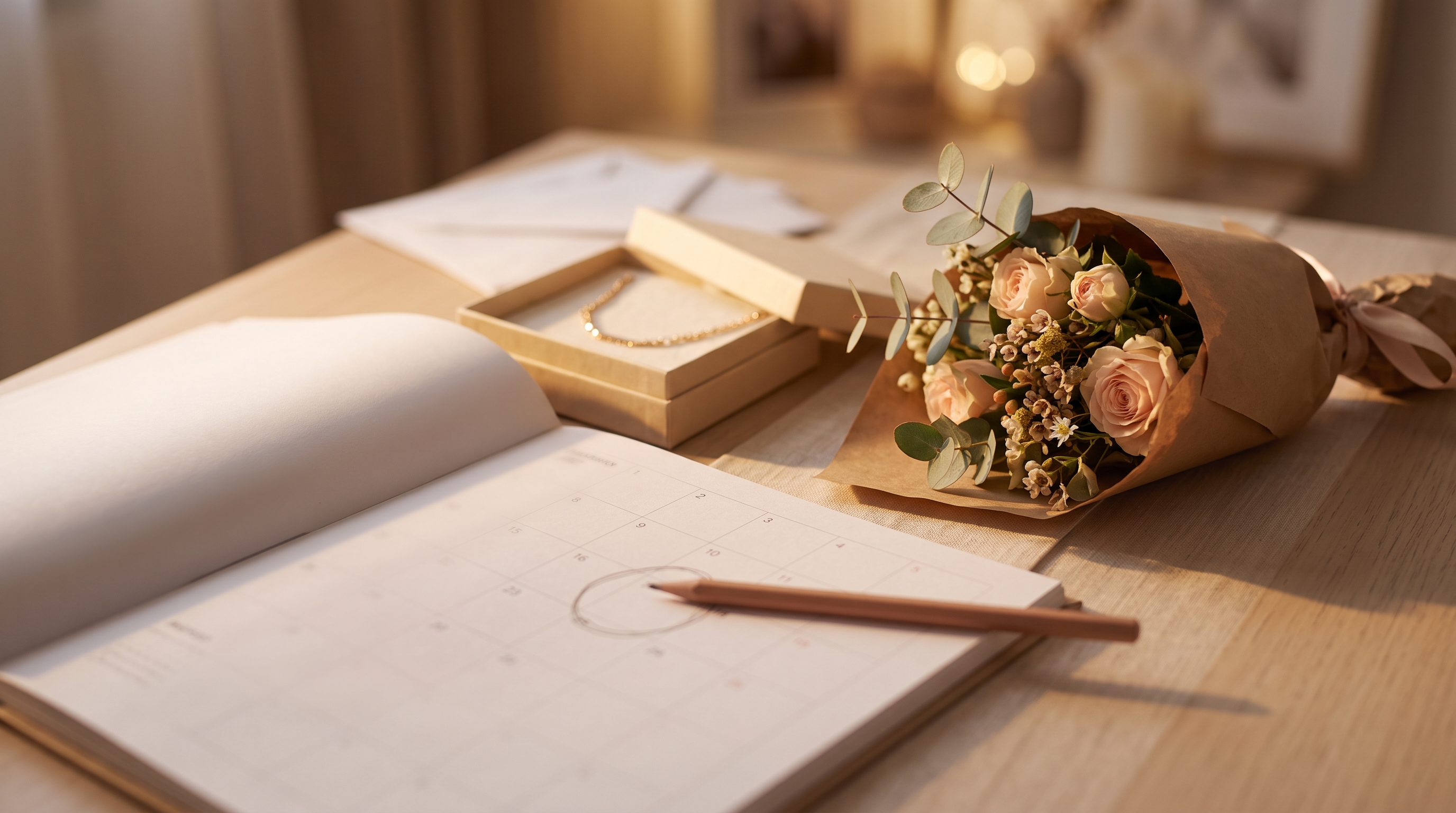
- Anniversary emails, sent in the weeks leading up to the anniversary of a purchase or a customer’s provided anniversary date, suggesting a complementary piece or a gift idea
- Birthday emails, either celebrating the customer or reminding them to share a wish list with a partner or family member
- Post-purchase care emails, sent shortly after a sale with cleaning tips, storage advice, and an invitation to return for complimentary inspection
- Milestone reminders, such as a note a year after an engagement ring purchase about wedding band options
- Abandoned browsing or cart emails, gently reminding a visitor of a piece they viewed, particularly effective for higher-consideration items
- Repair and maintenance reminders, such as prong checks or ring resizing, which both serve the customer and bring them back through the door
- Win-back emails, reaching out to customers who haven’t engaged in a year or more with something relevant rather than a generic discount
“A well-timed anniversary email doesn’t feel like marketing,” notes Avi-Meir Zaslavsky. “It feels like the business remembered something that mattered. That emotional connection is something no advertisement can manufacture.”
Writing Emails That Feel Personal, Not Promotional
Jewelry purchases are tied to emotion, memory, and relationships, and email content should reflect that. The most effective emails feel like they were written by a person who understands the occasion, not generated by a promotional machine.
Practical guidelines include:
- Lead with the occasion, not the product, opening with the anniversary, the milestone, or the season rather than a discount
- Use a recognizable, human sender name, such as a named specialist or the owner, rather than a generic company address
- Keep emails visually focused, with strong photography of one or two pieces rather than a crowded catalog grid
- Offer genuine value beyond selling, including care guides, styling ideas, or educational content about metals and stones
- Include a clear, single call to action, whether that’s browsing a collection, booking a consultation, or replying with questions
- Write subject lines that sound like a message, not an advertisement, avoiding all-caps urgency and excessive punctuation
“Our best-performing emails are often the simplest ones,” says Avi-Meir Zaslavsky. “A short note, one beautiful photo, and a genuine reason for writing. People can tell immediately whether an email was written for them or sent at them.”
Driving Repeat Sales Without Training Customers to Wait for Discounts
One of the quiet risks of email marketing in jewelry is over-reliance on discounting. If every email carries a promotion, customers learn to wait for sales, and the perceived value of the pieces erodes over time.
More sustainable ways to encourage repeat purchases include:
- Early access to new collections or rare pieces, rewarding loyal customers with exclusivity rather than lower prices
- Complimentary services, such as cleaning, inspection, or engraving, which add value without cutting margins
- Personalized recommendations based on previous purchases, such as a matching earring for a pendant already owned
- Loyalty recognition, such as private previews or invitations for repeat customers
- Gift guidance for the customer’s own circle, helping them choose pieces for the people in their life, which expands the relationship beyond a single buyer
Connecting Email to Selling, Repairs, and Appraisals
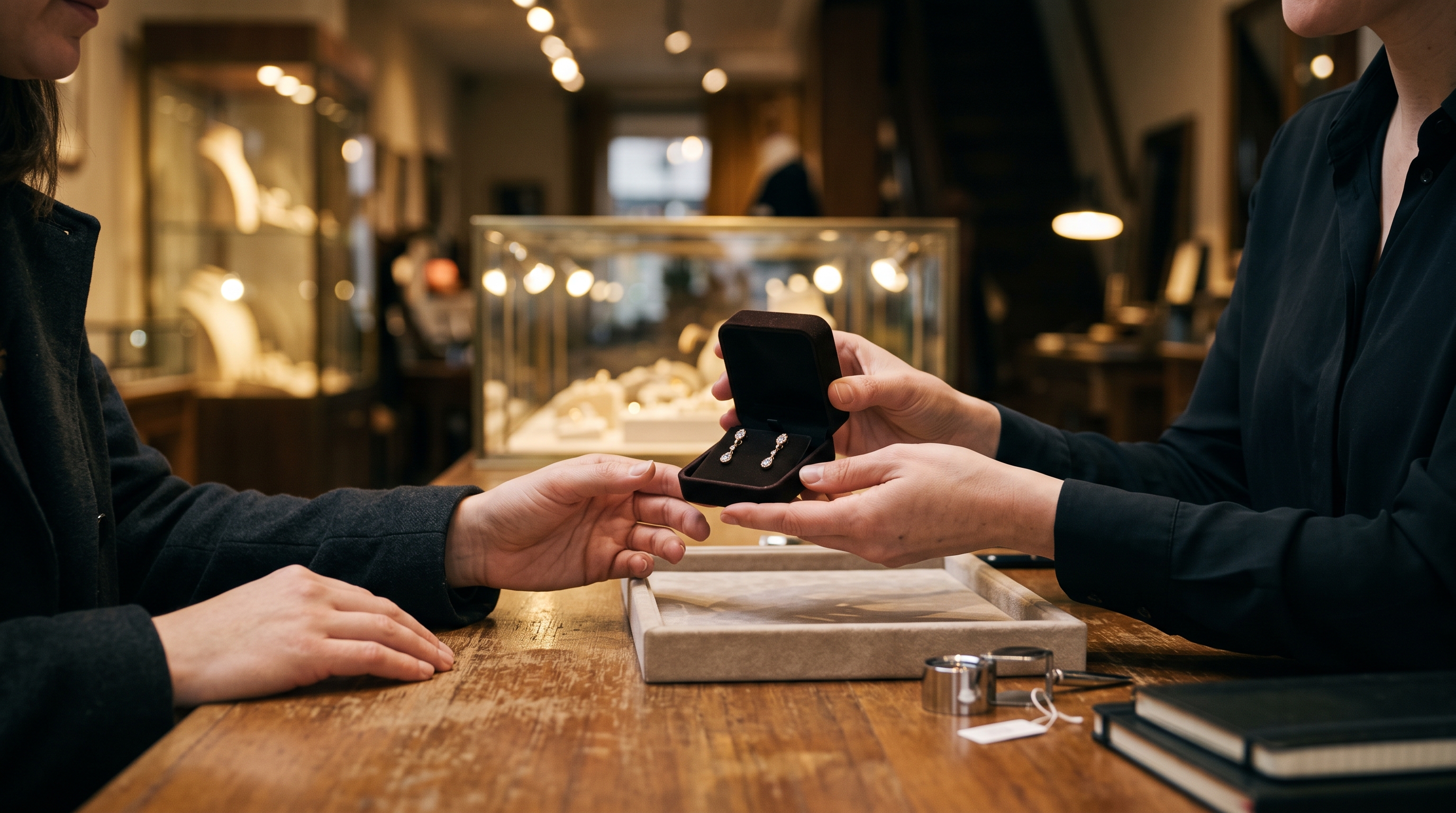
For businesses that also buy gold, appraise pieces, or offer repair services, email offers an additional opportunity: reminding customers that the relationship isn’t limited to buying. A past buyer may someday want to sell or trade in a piece, update an insurance appraisal, or restore an heirloom.
Occasional, informational emails about topics such as insurance appraisal timing, how gold price movements affect value, or the importance of regular jewelry inspections keep the business top of mind for these needs. When a customer eventually decides to sell, resize, or appraise, the business that stayed in touch usually gets the first call.
Timing, Frequency, and Avoiding List Fatigue
More emails don’t automatically mean more sales. In a category built on trust and emotion, over-communication can damage the very relationship the list is meant to nurture.
A balanced approach typically includes:
- A predictable but modest regular cadence, often one or two emails per month for general communication
- Triggered emails layered on top as relevant, since these are expected and welcomed rather than perceived as additional noise
- Seasonal bursts planned in advance, ahead of major gifting periods, with clear start and end points
- Easy unsubscribe and preference options, allowing customers to reduce frequency rather than leave entirely
Measuring What Matters
Open rates are a useful signal, but they’re rarely the best indicator of whether email marketing is generating real business results. More meaningful measures include:
- Repeat purchase rate, the percentage of customers who buy again within a given period
- Revenue per email sent, particularly for triggered versus broadcast campaigns
- Click-through rate by segment, revealing which audiences respond to which messages
- Appointment and inquiry bookings generated by email, including repair, appraisal, and consultation requests
- List growth and engagement trends, tracking whether the list is becoming healthier over time rather than simply larger
- Customer lifetime value, the clearest long-term indicator of whether the strategy is working
Bringing It Together
Email marketing for jewelry businesses works best when it’s treated as an extension of the customer relationship rather than a promotional broadcast channel. A thoughtfully built list, sensible segmentation, well-timed triggered messages tied to real life events, and content that feels personal rather than pushy can transform one-time buyers into customers who return for years, and who bring their families and friends with them.
“A piece of jewelry is rarely just a purchase,” Avi-Meir Zaslavsky reflects. “It’s tied to a moment in someone’s life. Email lets us stay part of that story instead of disappearing the day after the sale. The businesses that understand that don’t just sell more. They build relationships that last.”
For jewelry businesses looking to grow without an ever-increasing advertising budget, email offers one of the most reliable and underused paths: making sure the customers who already trusted the business once have every reason to do it again.
.png)