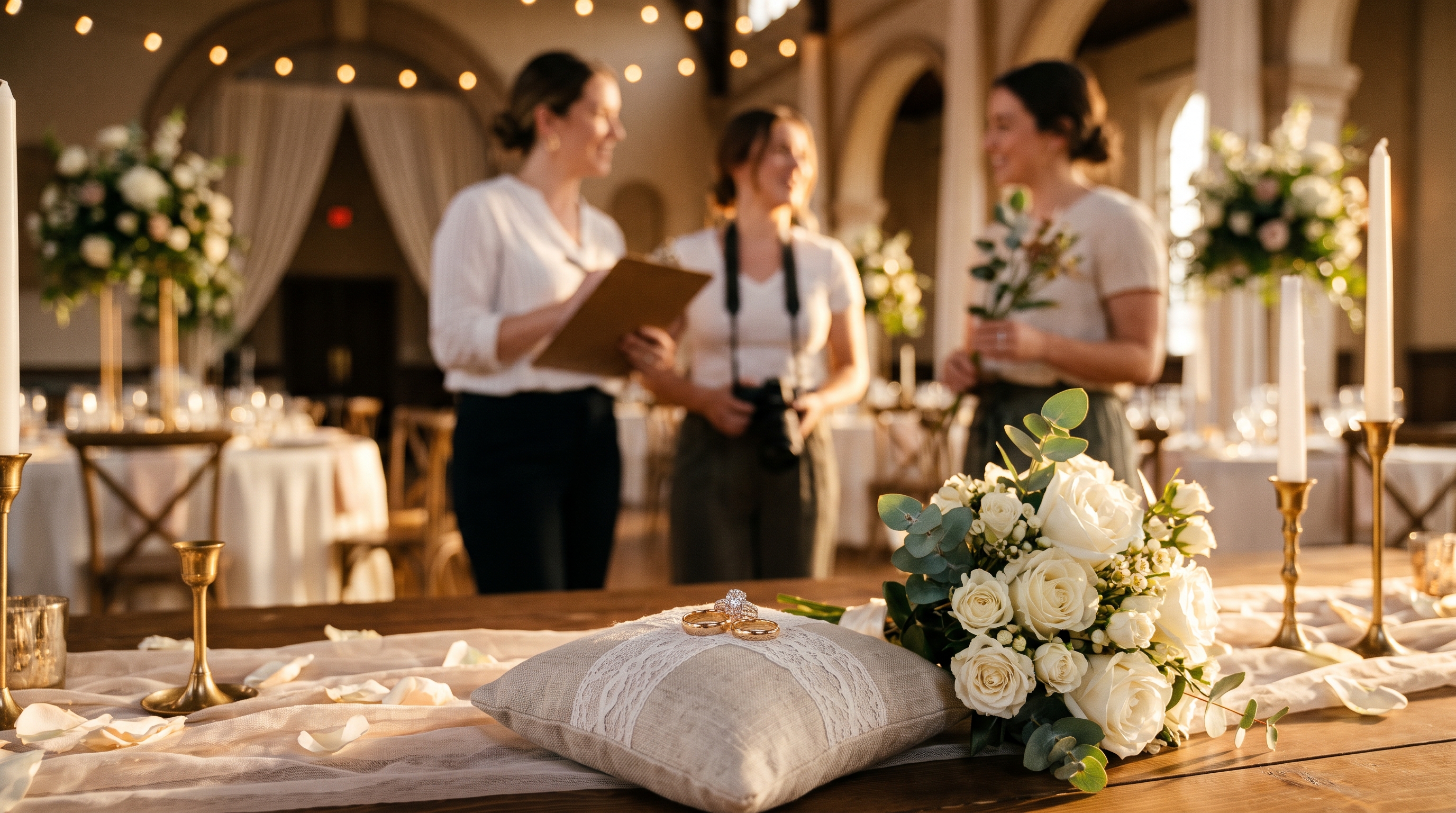
Couples planning a wedding are surrounded by decisions. Venue, catering, flowers, music, photography, attire, invitations: the list stretches for months, and jewelry is often just one more item competing for attention and budget. Yet jewelry sits at the emotional center of the day. The rings are exchanged in the ceremony’s most important moment, the earrings and necklace are photographed in hundreds of frames, and the pieces are often worn and remembered for decades.
Most jewelry businesses try to reach engaged couples through advertising alone, competing with every other wedding vendor for the same limited attention. A smarter path runs through the professionals couples already trust. Wedding planners, venue managers, photographers, florists, and stylists meet couples early, guide their decisions, and are asked for recommendations constantly. A jeweler who earns a place in that network gains access to a steady stream of couples who arrive already inclined to trust.
Why the Wedding Industry Runs on Referrals
Planning a wedding is a high-stakes, time-pressured project, and couples often feel overwhelmed. They have never hired most of these vendors before and cannot easily judge quality. So they lean heavily on recommendations from the people guiding the process.
A planner’s suggestion carries real weight, because the planner has seen the vendor’s work, handled their communication, and watched how they perform under pressure. A venue coordinator who has hosted hundreds of weddings knows which vendors are reliable. A photographer knows whose rings photograph beautifully and whose clients are happy.
Avi-Meir Zaslavsky, founder of 999Precious, has seen how decisive these relationships can be. “When a planner tells a couple ‘go see these people,’ the couple arrives with half the trust already built,” Avi-Meir Zaslavsky explains. “Advertising has to earn that from a stranger. A referral borrows it from someone they already rely on. That’s an enormous advantage.”
The Couple’s Jewelry Journey
Understanding when and how couples think about jewelry helps businesses time their outreach and partnerships.
- Engagement phase, when the ring is chosen and often the first major jewelry purchase takes place
- Early planning, when couples begin thinking about wedding bands, and sometimes about matching sets
- Mid planning, when attire is chosen and jewelry for the bride, the wedding party, and family becomes relevant
- Gift planning, including presents for the wedding party, parents, and each other
- Final weeks, when sizing, engraving, resizing, and last-minute needs surface
- After the wedding, when anniversary bands, upgrades, and future milestone pieces come into view
Each stage is an opportunity, and different partners meet couples at different points.

Identifying the Right Wedding Partners
The strongest partnerships form with professionals who serve the same couples without competing for the same sale.
- Wedding planners and coordinators, who guide couples through the whole process and recommend trusted vendors
- Venues and event spaces, whose coordinators maintain preferred vendor lists and meet couples at tours
- Photographers and videographers, who work closely with couples and photograph the rings and jewelry
- Bridal boutiques and tailors, who help brides choose attire and often discuss accessories
- Florists and stylists, who coordinate the overall look and theme
- Hair and makeup professionals, who interact with brides and bridal parties on the wedding day
- Officiants and celebrants, who often discuss the ring exchange with couples
- Honeymoon and travel planners, who serve couples at a similar life stage
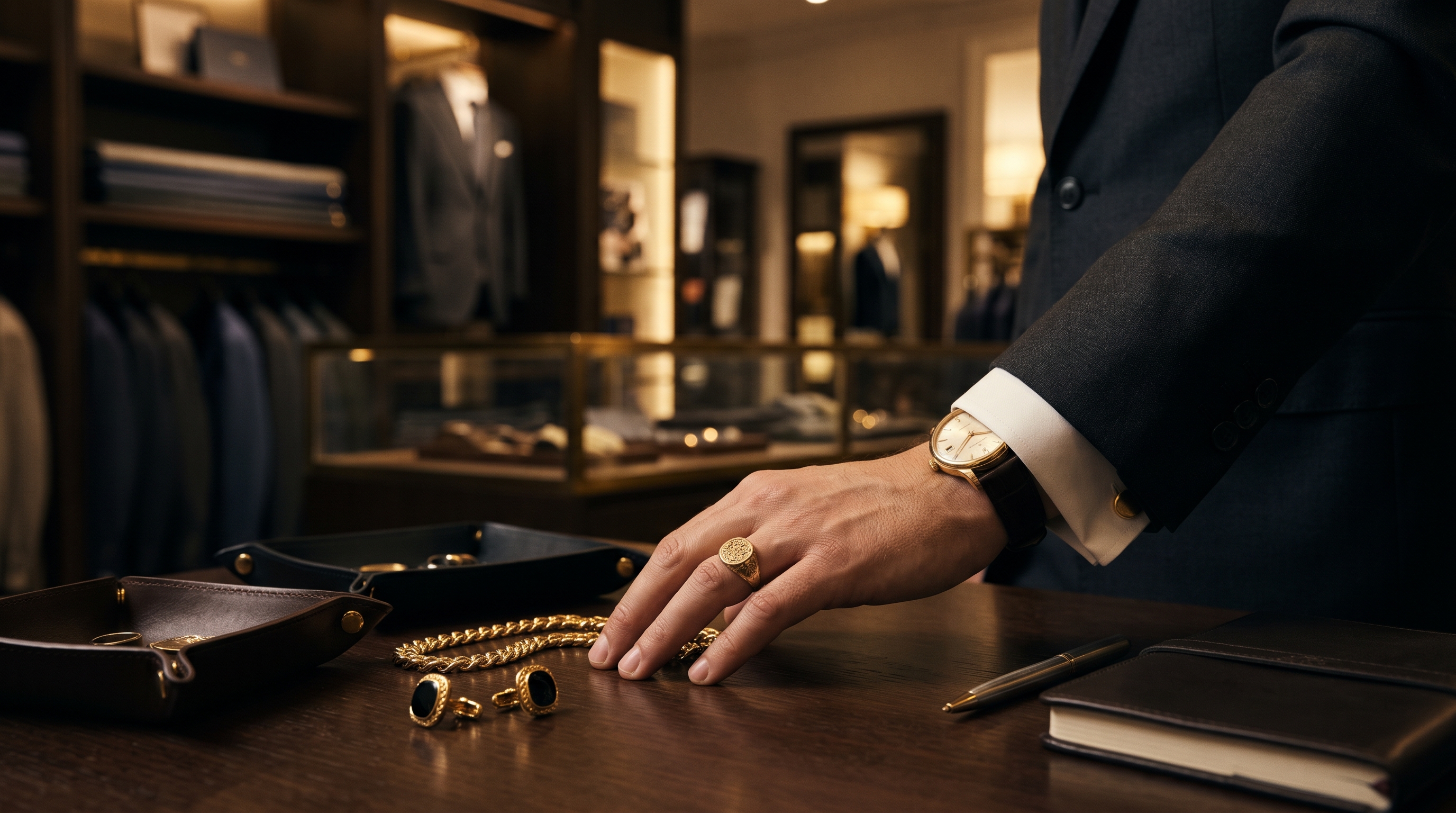
- Menswear and formalwear shops, ideal for groom and groomsmen jewelry and accessories
“The best partners are the ones who already have the couple’s attention and trust,” notes Avi-Meir Zaslavsky. “Our job is to make their life easier and their clients happier.”
What Each Partner Wants
Successful outreach begins with understanding what each professional values.
- Planners want reliable, communicative vendors who meet deadlines and never create stress
- Venues want professional vendors who respect policies and enhance the guest and couple experience
- Photographers want beautiful, well-made rings and jewelry, access to details for styling shots, and referrals to their own work
- Boutiques and tailors want complementary services that make their clients’ experience smoother
- Florists and stylists want cohesive, coordinated looks
- All partners want reciprocal referrals and vendors who make them look good
Approaching a partner with a clear answer to “how does this help your clients and your business?” is far more effective than asking for referrals alone.
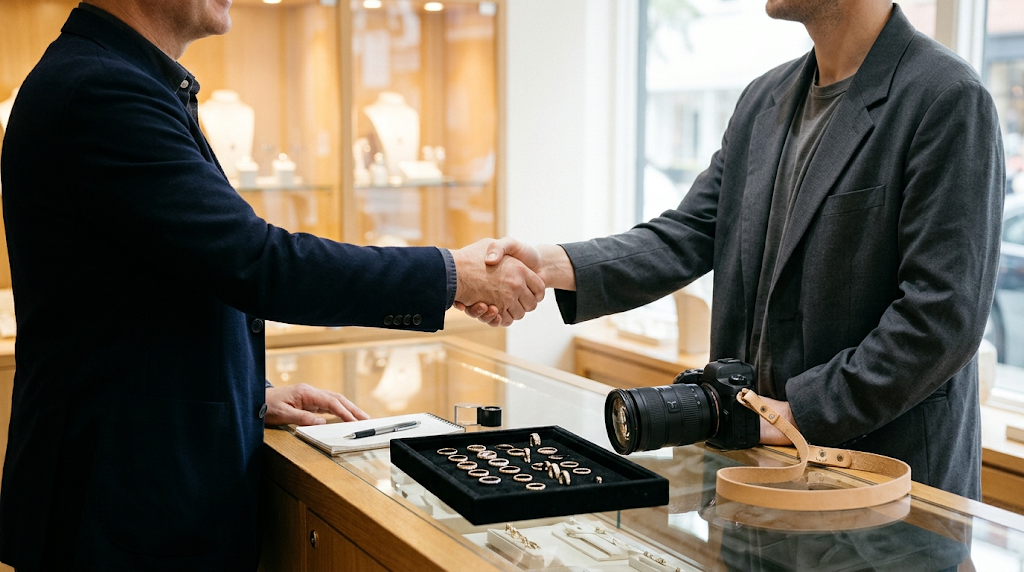
Starting Partnerships the Right Way
Partnerships rarely start with a formal proposal. They begin with a useful, low-pressure first interaction.
- Visiting in person, introducing the business, and offering to help with a specific need
- Offering styling support, such as lending rings or jewelry for a photographer’s styled shoot, with clear terms and insurance
- Providing a complimentary service, such as a free ring cleaning or inspection for a planner’s own jewelry
- Attending wedding industry events, open houses, bridal shows, and networking meetups
- Hosting a small vendor mixer at the store, inviting planners and photographers to see the space and meet the team
- Sharing a simple one-page overview, covering services, specialties, and a named contact
- Starting small, with a single helpful interaction instead of a sweeping agreement
“Nobody needs a long proposal,” says Avi-Meir Zaslavsky. “People want to know you’re reliable, easy to work with, and good at what you do. Show them once, and the relationship starts to build.”
Making Referrals Easy and Valuable
A partner who wants to refer a couple still needs the process to be simple.
- A dedicated contact person, so referred couples are never lost in a general inbox
- Simple referral materials, such as a card or digital link planners can pass along
- Priority service for referred couples, such as quick appointments and attentive consultations
- Prompt updates to the partner, within privacy limits, so they know their couple was well cared for
- Warm acknowledgment of the referral source when the couple arrives
- A clear point of view on referral arrangements, remaining transparent and compliant with local rules, since fees and commissions may be regulated or require disclosure in some places
Many of the strongest relationships run on mutual respect rather than formal commissions, with each side sending business the other’s way.
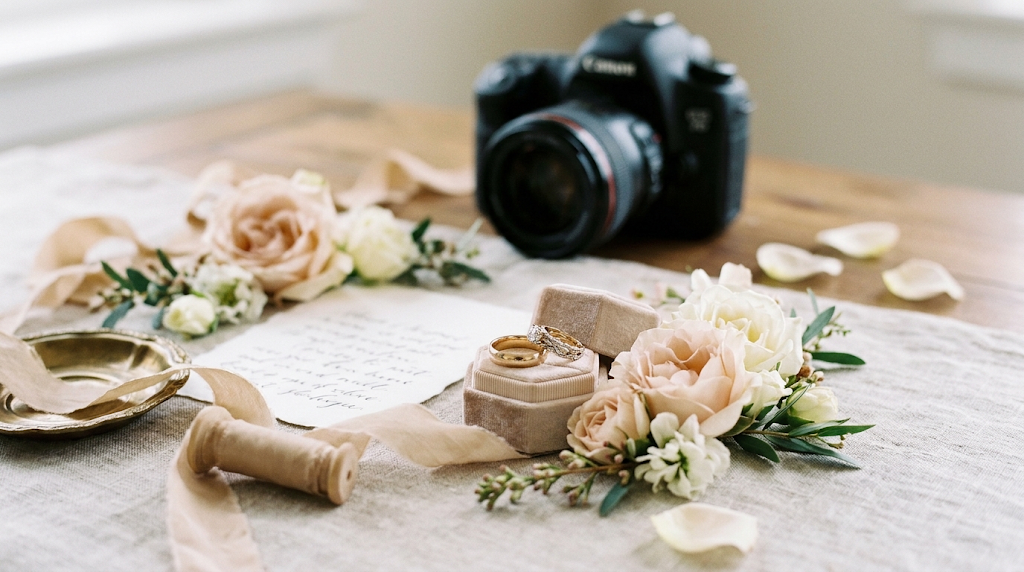
Co-Marketing With Wedding Partners
Once trust is established, shared marketing multiplies reach.
- Styled shoots, where planners, photographers, florists, and the jeweler collaborate on a set of images that each partner can use
- Joint blog and social content, such as “how to choose wedding bands that photograph beautifully”
- Bridal show booths, shared or coordinated to attract engaged couples
- Vendor guides and checklists, co-created and offered to couples
- Co-hosted events, such as engagement open houses, couples’ ring workshops, or bridal brunches
- Featured vendor spotlights, where each partner introduces the others to their audience
- Real wedding features, with couples’ permission, credited to every vendor involved
These efforts work best when they offer real value to couples, such as planning inspiration and practical advice, rather than reading as thinly disguised advertising.
Content That Serves Engaged Couples
Educational content attracts couples early and gives partners something useful to share.
- Wedding band guides, comparing metals, widths, finishes, and comfort fit
- Matching sets and stacking guides, helping couples coordinate engagement rings and bands
- Timeline guides, explaining when to order rings, allow for sizing, and schedule engraving
- Budget guidance, including how to plan jewelry spending within the overall wedding budget
- Bridal jewelry guides, matching earrings and necklaces to necklines and styles
- Wedding party gift guides, for bridesmaids, groomsmen, and parents
- Care and cleaning guidance, so rings look their best on the day and afterward
- Photography-friendly jewelry tips, such as how settings and metals look in different lighting
“The couples we serve best are the ones who came to us informed and unhurried,” reflects Avi-Meir Zaslavsky. “Helpful content, shared through trusted partners, gets them there.”
Working Specifically With Photographers
Photographers occupy a unique position, since the rings are among the most photographed objects of the day.
- Offer ring macro sessions, ensuring rings are clean, polished, and ready for detail shots
- Provide display props, such as ring boxes, velvet trays, or backdrops, for styled detail photography
- Credit the photographer whenever their images are used, and ask for the same in return
- Share new designs early, so photographers can feature them in their portfolios
- Invite photographers to the store, where displays and lighting can inspire new shots
- Create joint content, such as showcasing a couple’s rings alongside the photographer’s best images
Working Specifically With Planners and Venues
Planners and venues influence couples from the start, and consistent professionalism earns lasting trust.
- Be responsive and dependable, since delays reflect on the planner who made the recommendation
- Offer clear timelines and processes, so planners can advise couples confidently
- Provide on-site services where appropriate, such as ring delivery or pickup coordination before the ceremony
- Offer venue-specific perks, such as private appointments for couples touring a venue
- Keep partners informed, including updates on new services and seasonal availability
- Respect their relationships, never trying to take over the couple’s wider planning
Seasonality and Planning Ahead
Wedding demand follows patterns, and partnerships should be built around them.
- Peak wedding seasons, typically spring through early fall in many regions, require early preparation of rings, sizing, and capacity
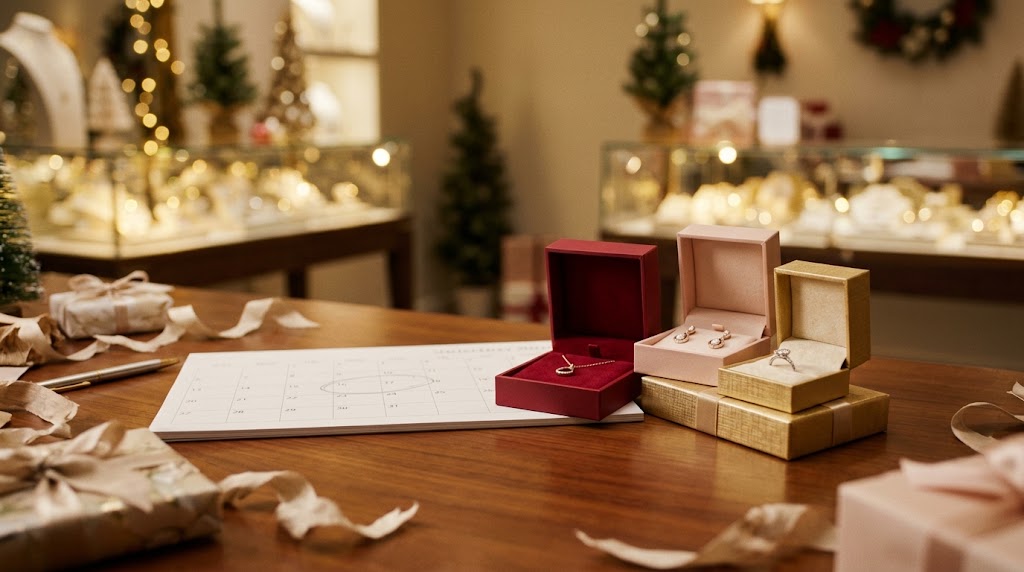
- Engagement season, often around the winter holidays and Valentine’s Day, creates demand for rings that flows into spring planning
- Bridal show season, usually in the months before peak wedding dates, is ideal for building partner and couple awareness
- Off-season outreach, when planners and vendors have more time, is the best moment to build relationships
Planning partner activities months ahead keeps the business ready for busy periods.
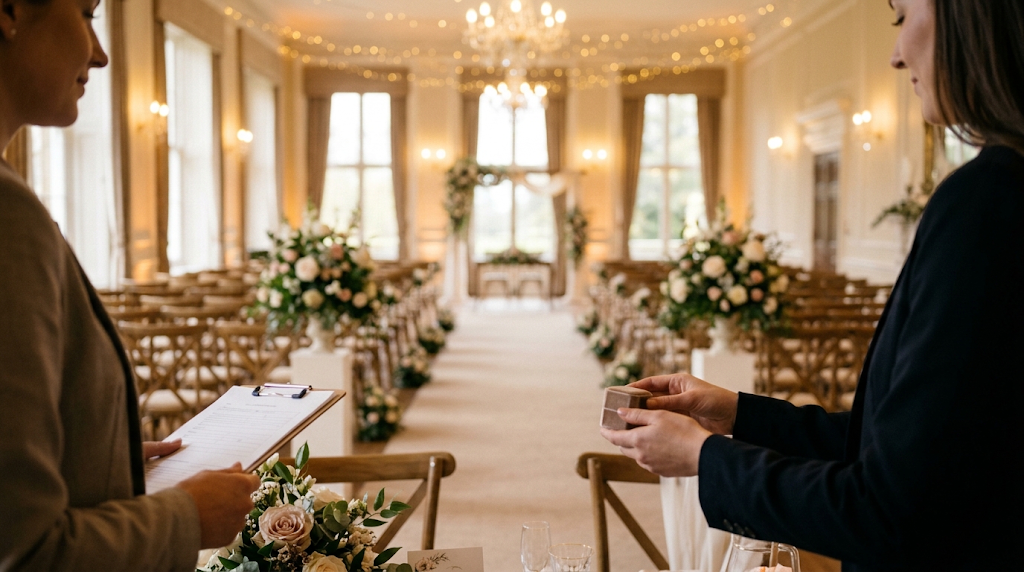
Maintaining and Growing the Network
Partnerships need steady care.
- Brief, regular check-ins, such as a quarterly call, message, or visit
- Sharing news and thanks, including thank-you notes after referrals
- Tracking referrals and outcomes, so the business knows which partnerships create value
- Diversifying across partner types, so no single relationship carries too much weight
- Recording relationships institutionally, so staff changes don’t cause good partnerships to lapse
- Reviewing and refining, investing more in relationships that are genuinely mutual
Protecting Trust and Professional Standards
Partners put their reputations on the line with every referral, so standards must remain high.
- Honest guidance, never overselling or pressuring couples
- Clear pricing and policies, including timelines, deposits, and sizing or exchange terms
- Reliable delivery, especially for rings needed by a fixed wedding date
- Careful handling and insurance for any pieces lent for shoots or events
- Respect for client privacy, including budget and personal details
- Compliance with local rules on advertising, referrals, and disclosures
Measuring Success
- Referral volume by partner, showing which relationships perform best
- Couple inquiries and consultations that mention a partner
- Conversion rate of referred couples, compared with other channels
- Average order value, including rings, bands, and gifts
- Co-marketing results, such as event attendance, content engagement, and resulting inquiries
- Repeat business, including anniversary pieces and milestone purchases
- Partner satisfaction, gathered informally through regular conversation
Bringing It Together
Wedding jewelry marketing works best when it moves through trusted relationships. Planners, venues, photographers, and other wedding professionals meet couples early, guide their decisions, and carry the kind of credibility advertising cannot buy. By choosing partners carefully, offering real value, making referrals easy, creating shared content, and delivering reliably on every promise, a jewelry business can become the natural recommendation for couples at one of life’s biggest moments.
“A wedding is built by a team of people who each care about getting it right,” Avi-Meir Zaslavsky reflects. “When we’re part of that team, honest, dependable, and genuinely good at what we do, the couples feel it, and so do the partners who vouch for us.”
For jewelry businesses ready to invest in relationships as carefully as in inventory, the wedding industry offers a steady, trust-based channel that turns collaboration into some of the most meaningful customer relationships in the category.
Note: Referral fees, commissions, and advertising disclosure rules vary by location. Verify the requirements that apply in your jurisdiction before establishing formal referral arrangements.